.svg)



.jpg)


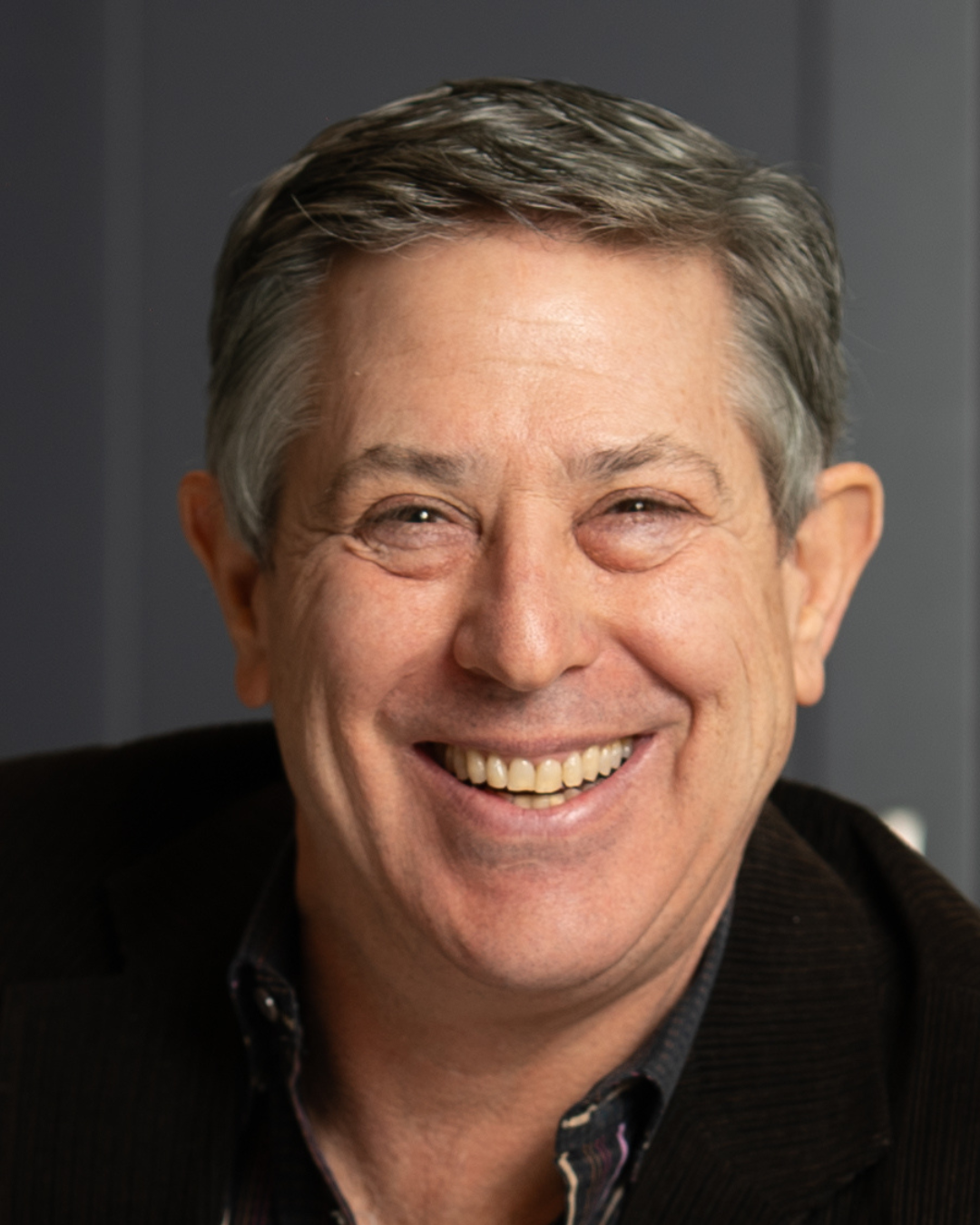
What 39 Years in Real Estate Actually Teaches You with Greg Viti
Date published:
May 13, 2026
The agents who last aren't the ones who hustle hardest. They're the ones who decided early that integrity, relationships, and radical care for people was the whole strategy — and never let the market talk them out of it.
Greg Viti recorded this conversation with me on the last day of his 39th year in real estate. He called in from his condo in Streeterville, downtown Chicago, with the city skyline visible behind him — the Hancock, Trump Tower, the St. Regis — a view that felt like a metaphor for someone who has simply chosen to stay in the game long enough to earn the vantage point.
Greg didn't get here by accident. He got here by going all in on everything — his fitness, his relationships, his craft, his character — and by treating real estate not as a transaction machine but as a vehicle for genuine human connection. In 39 years, he has worked through market crashes, built his own referral ecosystem from scratch, mentored dozens of agents, brought his wife into his business, and is now heading into his 40th year chasing a high-rise financing deal and three ski trips.
What he shared in this conversation is the kind of wisdom that doesn't live in a training manual. It lives in the people who have stayed curious, stayed humble, and stayed in the arena long enough to earn it.
The Morning Ritual That Sets Everything Else in Motion
Before Greg does anything else in his day — before the two-hour workout, before the client calls, before the deal-making — he does something so simple it almost sounds too simple.
He gets out of bed, puts a big smile on his face, raises his hands, and says: "Thank you, God. How do I get to serve today?"
That's it. That's the foundation.
He's not sitting in 20 minutes of structured meditation. He's not running through a rigid morning protocol. He's choosing, from the very first moment of the day, to anchor himself in gratitude and orient himself toward service. And then he moves.
This matters more than most people realize. Greg talked about how he actively catches himself when he's not smiling. When he's about to say something negative. When he feels himself drifting toward worry or resentment or comparison. And he stops it. Not because he's suppressing reality, but because he understands — after nearly four decades of watching agents succeed and fail — that your internal energy is your first product. Clients feel it before you say a word.
What I tell my clients all the time is that the way you start your day is a decision. It's not something that happens to you. Greg Viti has been making that decision intentionally for decades — and it shows.
Abundance vs. Scarcity: What It Actually Looks Like
One of the most powerful moments in this conversation happened when Greg stopped talking and started demonstrating. He laid out two lists — one side representing scarcity: worry, fear, anxiety, resentment, anger. The other side representing abundance: opportunity, peace, love, gratefulness, thankfulness.
And as he said the words out loud, you could see it on his face. The scarcity words changed his expression, his posture, the energy coming through the screen. The abundance words opened something up. He became lighter, more animated, more alive.
"Ego makes us miserable," he said, drawing on Wayne Dyer. "It makes us want to think we are what we have, what we do, what other people think of us. But we're whole and perfect like we were created. How do we get back to that energy? Because that's where the magic is."
This isn't abstract philosophy. This is a practical, daily competitive advantage. The agents I work with who are struggling aren't struggling because of the market. They're struggling because they've let scarcity become their operating system — and scarcity attracts more of itself. It shows up in how they present, how they negotiate, how they follow up. Clients feel it.
Greg's 39 years have taught him that the way you think about what you have is the difference between building a career and just surviving one.
Work By Motivation, Not Market
When I asked Greg about his niche or specialty, his answer reframed the entire question.
"I really go by motivation," he said.
Not price point. Not neighborhood. Not buyer vs. seller. Motivation.
He wants to know: does this person actually need to do something? Do they have a real reason to move, to buy, to sell? Is there urgency underneath the conversation — or are they just curious? Because the agents who waste the most time and energy are the ones chasing people who were never really going to move.
He told me about a restaurant owner he'd been visiting for years — a man he'd known since the eighties. Greg noticed one day that the man looked completely drained, like the energy had been pulled out of him. So he went over and asked what was wrong. Turns out: real estate problems. Three properties, none of them working the way they should. Greg sat down, grabbed a piece of paper, and started asking questions.
That conversation turned into multiple listings. Multiple closed sales. And more on the way.
He'd known this man for twenty years and never thought to ask about real estate. Once he did — and once the motivation was clearly there — the relationship opened up into something entirely different. That's the long game. That's what it looks like when relationships and patience and genuine care compound over time.
The most motivated clients, Greg told me, are also usually the most grateful. And the most fun to work with. When you filter by motivation, you're not just protecting your time — you're curating your entire experience of this career.
The Dance of Being Both Tough and Human
There's a version of this business where you show up, put the house in the MLS, open the door, and call it service. Greg has been watching that version of this industry for four decades — and he has zero interest in it.
"Be tough, but be nice, be loving, be gentle, and you have to do this dance," he said. "And that's when you get really good at it — when the people still like you anyway."
That sentence holds everything. Because the truth is that real estate asks you to deliver hard news, manage fear, negotiate through conflict, and hold your clients accountable to decisions that are often the biggest of their financial lives. You can't do that if you're a pushover. But you also can't do it if you've made yourself so professional and detached that people don't feel like you're actually in their corner.
Greg's construction background gave him a specific edge here: he walks into properties and sees what most agents miss. He can tell a seller that their HVAC is past its useful life and that the inspector is going to flag it — and then offer three different paths forward. He can do a mini inspection before the listing goes live so there are no surprises. He can call a client about a sewer scope before anyone else has thought to bring it up.
That level of proactive expertise doesn't just build trust. It builds the kind of loyalty that turns one transaction into a relationship that spans decades.
What I coach my clients on is this: your value isn't in the tasks you complete. It's in the peace of mind you create. The agents who understand that — and who learn how to communicate it clearly — are the ones who never have to beg for business.
What Actually Keeps You in the Game for 40 Years
Toward the end of our conversation, I asked Greg the question I ask every long-tenured guest: how have you kept going? How have you made it last?
His answer wasn't about market knowledge or a particular strategy or a system he'd built. It was about something more fundamental.
"I realized young," he told me, "it's not the money that's gonna make you happy and peaceful and loving."
He watched wealthy people growing up — some of them generous and full, others mean-spirited and empty — and he understood early that financial success and a good life are not the same thing. That orientation shaped everything that followed. The way he treats clients. The way he mentors newer agents. The way he's brought his wife and daughter into his business not just as helpers but as partners. The way he goes skiing every year, or tries to, because a life worth having needs room for the things that make you feel alive.
He also said something I keep thinking about: "If there's ever a day that goes by that you're the exact same as you were the day before, like you're probably dead."
Growth isn't a phase. It's not something you do early in your career and then graduate from. The people I've seen build the most durable, satisfying businesses — in real estate and beyond — are the ones who never stopped asking how they could be better. Better at their craft. Better for their clients. Better at being a human being in the world.
That's what 39 years looks like when it's done right.
The Bottom Line
Greg Viti's advice as he heads into his 40th year is as simple and as hard as it gets:
"Take care of people radically and you will be taken care of. Don't worry about the money. When you deliver, you will get paid."
That's not naïveté. That's the long game, spoken by someone who has actually played it. Four decades of relationships built on integrity, service, and a genuine love for the people on the other side of every transaction.
If you're in this business — at any stage — this episode is worth your full attention.
🎙️ Listen to the full conversation with Greg Viti on The Systems-Driven CEO wherever you get your podcasts.
📲 Ready to build a business that works for your life, not the other way around? Book a strategy call with Lynea here.
Connect with Greg Viti on LinkedIn or Instagram
.jpg)
.jpg)

.jpg)
%20(1).jpg)