.svg)



.jpg)


The 8 Things That Can Kill a Land Deal (And Why Nobody Taught You to Look for Them)
Date published:
May 1, 2026
What you don't know about a piece of land can cost your clients half a million dollars. Jeff McCann has spent 30 years making sure that doesn't happen.
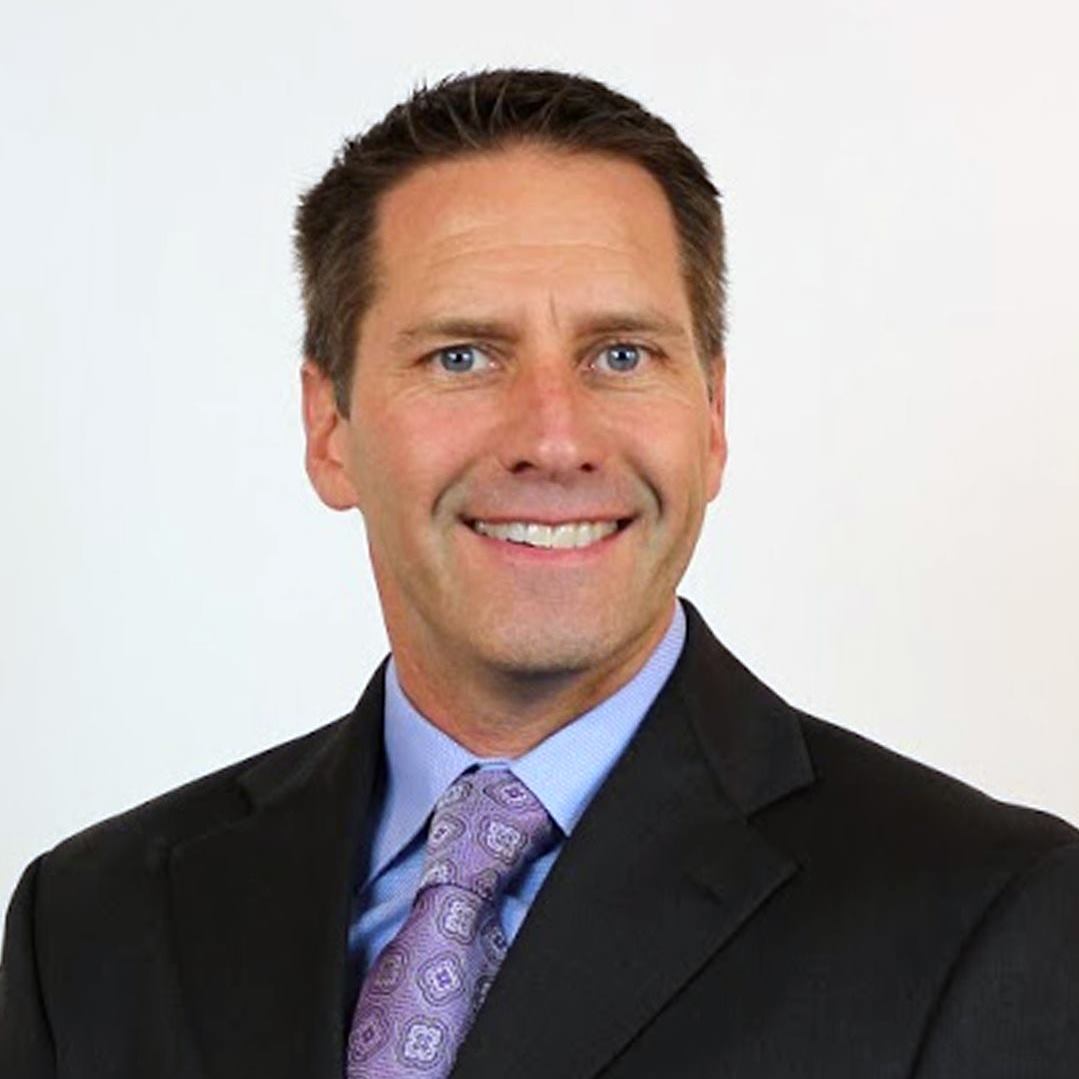
Jeff McCann is what happens when a third-generation dirt contractor gets two master's degrees, a broker's license, and a deep conviction that most real estate professionals are operating with a dangerous blind spot.
His grandfather started with two horses and a flatbed wagon in the 1940s, hauling dirt around the Kent Valley. His father pivoted into land development, acquired over a thousand acres across the Puget Sound region, and got out just before the downturn. Jeff, rather than becoming unemployed, became a land use consultant — and has spent the last three decades helping buyers, sellers, brokers, and developers avoid the kind of costly mistakes that happen when nobody thinks to check what's actually under the ground.
He's also an affiliate instructor at the University of Washington, where he teaches five courses in real estate development, transaction process, economics, and market analysis. He's the kind of professional who will pull a catch basin grate off a road in the middle of traffic just to check which direction a pipe runs — because waiting two weeks for a public records request wasn't going to cut it.
This conversation is one of the most practically useful I've had on the podcast. Even if land is not your niche, what Jeff shares here will fundamentally change how you think about a property — and how you show up for the people trusting you to protect them.
Most Deals Don't Fail Because of the Market
This is the thing Jeff said that stopped me mid-sentence.
Most deals don't fail because of the market. They fail because people fail to understand the land.
The zoning didn't work. The utilities weren't connected. There was uncompacted fill in the backyard from the 1960s. There was a wetland nobody flagged. The topography made it physically impossible to build what the buyer envisioned. The finished land value was going to cost more to develop than it was worth.
None of those things have anything to do with the market. All of them were knowable upfront — if someone had known what to look for.
Jeff has a name for that list of knowable things. He calls it ZATTSSUM.
The ZATTSSUM Framework: Eight Letters, Eight Fatal Flaws
Jeff created ZATTSSUM as a roadmap — a way to think through any piece of land methodically before money changes hands. Each letter stands for one of the elements he's seen sink deals that should have been dead on arrival.
Z — Zoning. Does the zoning actually permit what you want to do? People buy land all the time intending to subdivide, build an ADU, or develop a project — and never check whether the zoning allows it. If it doesn't, you're fighting an uphill battle from day one.
A — Access. Is there adequate access to the property? Is the easement wide enough for a fire truck? Can it be expanded if you subdivide? Frontage improvements can be wildly expensive, and they're not always obvious until you're already under contract.
T — Title Report. Title restrictions live on properties most people have never read. Jeff has seen properties with deed restrictions that explicitly prohibit ADUs — properties people were banking on for middle housing development.
T — Topography. A beautiful backyard that slopes sharply down the hill is not a building site. The physical reality of a piece of land determines what can actually be built on it, and what it's going to cost.
S — Soils. If you had a hole in your backyard in the Pacific Northwest in the 1950s through the 1980s, Jeff's family probably filled it in. That's not a joke — it's a liability. Uncompacted fill, oil tanks, contamination. What's underneath matters.
S — Sensitive Areas. Wetlands, streams, landslide hazard zones, erosion hazards — and yes, pocket gophers. Critical areas carry significant development restrictions, and they don't always show up in an obvious way.
U — Utilities. Is there water, sewer, storm drainage? If you're in a rural area, can the land perk? Can the well support what you're planning? Utility connections can cost tens of thousands of dollars — or make a deal simply not pencil.
M — Market Study. Even if you get through every other element, if the finished land value doesn't support the cost to develop it, there's no deal. Jeff has seen situations where the cost per lot to develop exceeded the value of the finished lot. You can't build your way out of that math.
Eight elements. Eight potential fatal flaws. And in Jeff's experience, a broker or buyer who actually understands all eight of them is rare.
Why He's Called the Dream Popper
Jeff gives away free 15-minute consultations. The day before we recorded this episode, he had eight of them. He talked five people out of hiring him — because he could identify the fatal flaw in the first few minutes and tell them straight: this isn't going to work.
That's earned him the nickname "the dream popper."
He wears it with pride.
The people who call him frustrated — half a million dollars into acquisition and studies, sitting on a property that will never develop — are the ones who didn't ask those questions upfront. The ones who got the answer they wanted to hear, or didn't think to ask at all.
The most professional thing you can do for a client is tell them the truth before they fall in love with a property that has no future.
Work to Learn Before You Work to Earn
One of the things Jeff said near the end of our conversation is something I've been turning over ever since.
Work to learn before you work to earn.
He attributed it to Gary Keller. But the way he applied it wasn't about new agents — it was about any professional at any stage who wants to operate at the next level. You can get a residential broker's license and legally go sell land tomorrow. The license doesn't stop you. What stops you from doing it well is the knowledge — the kind that doesn't come from passing an exam, it comes from getting into the field with someone who knows what they're looking at.
Jeff talked about having students come out with him on property visits. He said one of them watched him stop traffic and lift a storm drain grate off the road to figure out which direction the pipe ran — because that information was going to determine whether the property was worth pursuing. That student said he never would have thought to do that in a million years.
That's what mentorship and field experience actually look like. Not theory. Not continuing education credits. Someone showing you where to look.
The Case for Lifelong Learning
What I love most about Jeff — beyond the frameworks and the 30 years of expertise — is that he's still a student.
He went back to school in his late 40s to get a master's in real estate at UW. Not because he didn't know real estate. He knew it deeply. But because he recognized that real estate has silos, and he wanted to understand the language of the ones he hadn't touched. Asset management. Industrial properties. Data centers. Financial modeling.
He sits in on other people's classes. He listens to podcasts. He attends talks. He says openly: there is always something he doesn't know that someone else can teach him.
That's what separates the professionals who build something lasting from the ones who plateau. Not talent. Not market conditions. Curiosity — and the humility to keep learning long after you have every reason to coast.
The most successful people I know are the ones who decided that getting to a certain level wasn't a reason to stop learning. It was a reason to go deeper.
What This Means for You
Whether you're a residential broker, a commercial agent, an investor, or someone building a business entirely outside of real estate — the principles Jeff laid out in this conversation apply.
Know your craft deeply enough to protect the people who trust you. Ask the questions before someone else has to ask them for you. Find mentors who are doing what you want to do and learn by being in the field with them. And never mistake a license — or a title, or a degree — for actual expertise.
The industry needs more professionals like Jeff. People who will tell you the hard thing early so you don't have to find out the expensive way later.
Listen to the full episode with Jeff McCann wherever you get your podcasts — and connect with Jeff at jeffmccann.net for a free 15-minute consultation or to get on the waitlist for his upcoming Feasibility Fundamentals course.
If you're ready to build a business that works smarter — not just harder — book a call with me here and let's talk about what that actually looks like for you.
.jpg)
.jpg)

.jpg)
%20(1).jpg)